
NASA Satellites Spot Giant Ripples in the Sky Above Hurricane Simon
The rare waves formed high in the atmosphere as the storm passed Mexico's Pacific coast.
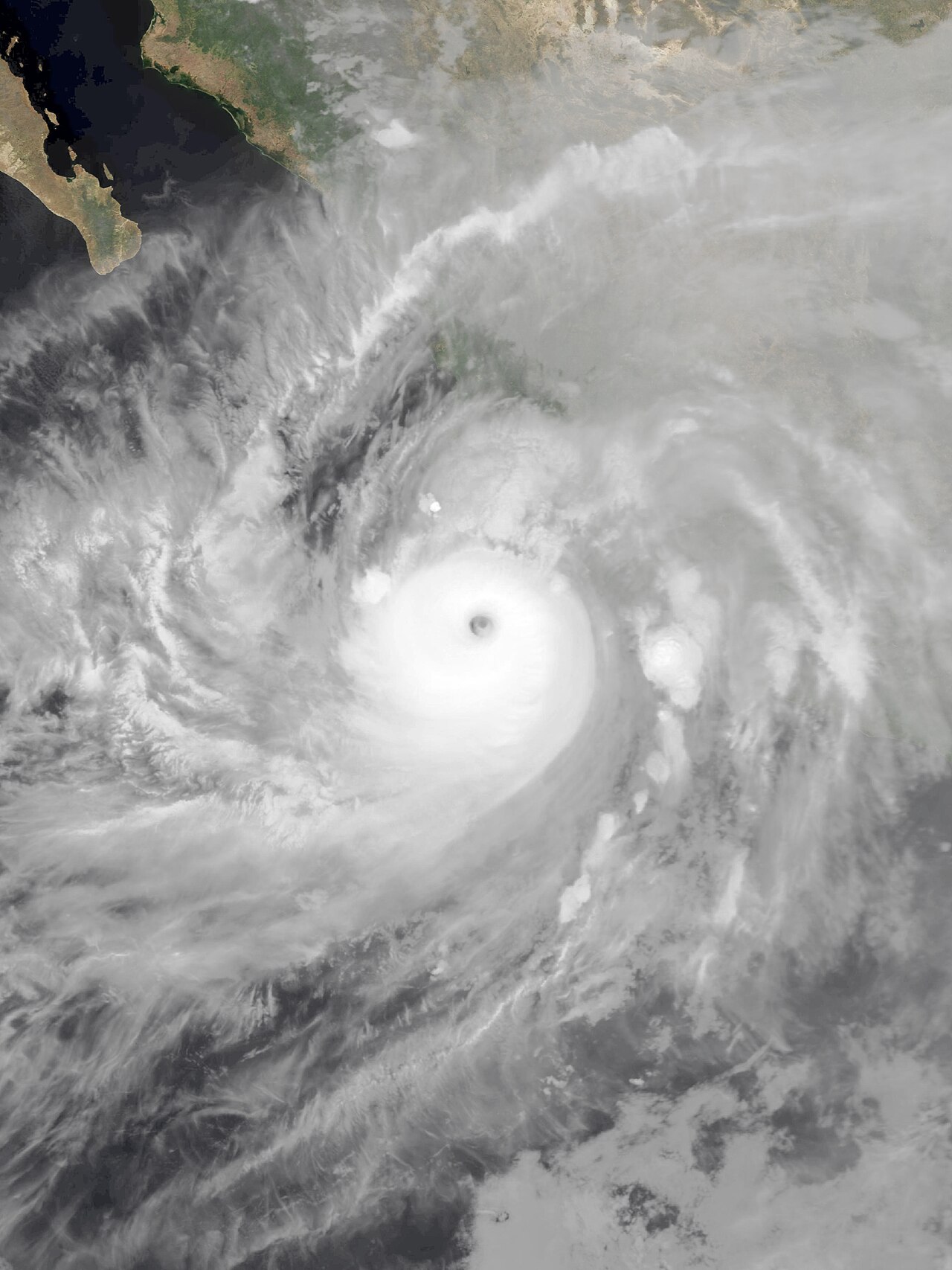
NASA satellites have captured an unusual sight above a powerful storm: huge waves rippling through Earth's upper atmosphere. The storm was Hurricane Simon, which stayed out at sea but still brought strong winds and flooding to Mexico's Pacific coast.
Simon was the latest of several strong tropical cyclones to cross the Eastern Pacific this hurricane season. On October 11, 2026, the Category 4 storm moved north-northwest close to the Mexican coast, with winds reaching 250 kilometers (155 miles) per hour. At about 2:30 p.m. local time that day, an instrument on NASA's Suomi NPP satellite took a picture of it. The eye was about 50 kilometers (30 miles) offshore, between the cities of Manzanillo and Puerto Vallarta. By then, the National Hurricane Center said, winds had slowed to about 210 kilometers (130 miles) per hour.
The Sierra Madre mountains seemed to help weaken the storm, and the rough land cut down the area hit by its winds. Even so, heavy rain flooded coastal communities, including the port city of Manzanillo. News reports said the rain also raised the risk of mudslides in the mountains.
Far above the clouds, satellites saw something else. Early on October 11, the storm sent ripples into the upper atmosphere. A nighttime image from an instrument on the NOAA-21 satellite showed atmospheric gravity waves spreading out from the hurricane.
These waves come from the storm's powerful activity. Near the eyewall, the ring of clouds around the eye, warm, damp air rushes upward and forms tall storm clouds. The strong rising air disturbs the air around it and sends waves up into higher layers of the atmosphere, called the stratosphere and the mesosphere. Ocean waves travel through water, but atmospheric gravity waves travel through air, with gravity pulling the air back down.
Strong hurricanes can create such waves, but satellites cannot always see them. Strong winds high up can weaken the waves before they reach the mesosphere, where they may show up because of airglow, a faint natural light from gases high in the atmosphere.
About this story
Source: ScienceDaily. Spotted a mistake? Tell us.
More in Science
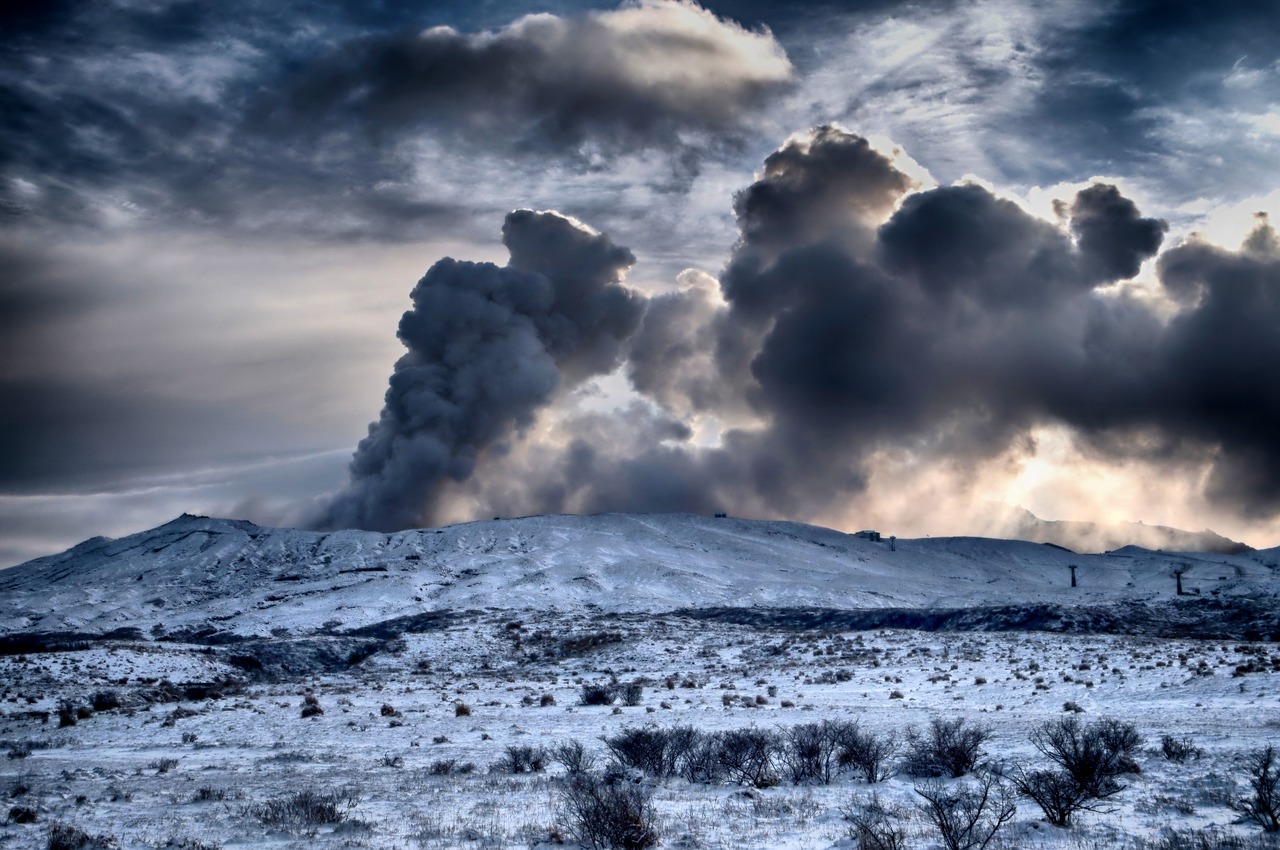
Ancient Japanese Populations Changed Differently After a Huge Volcanic Eruption
A new study led by Lund University finds that people in prehistoric Japan were affected in different ways after a volcano erupted about 7,300 years ago.
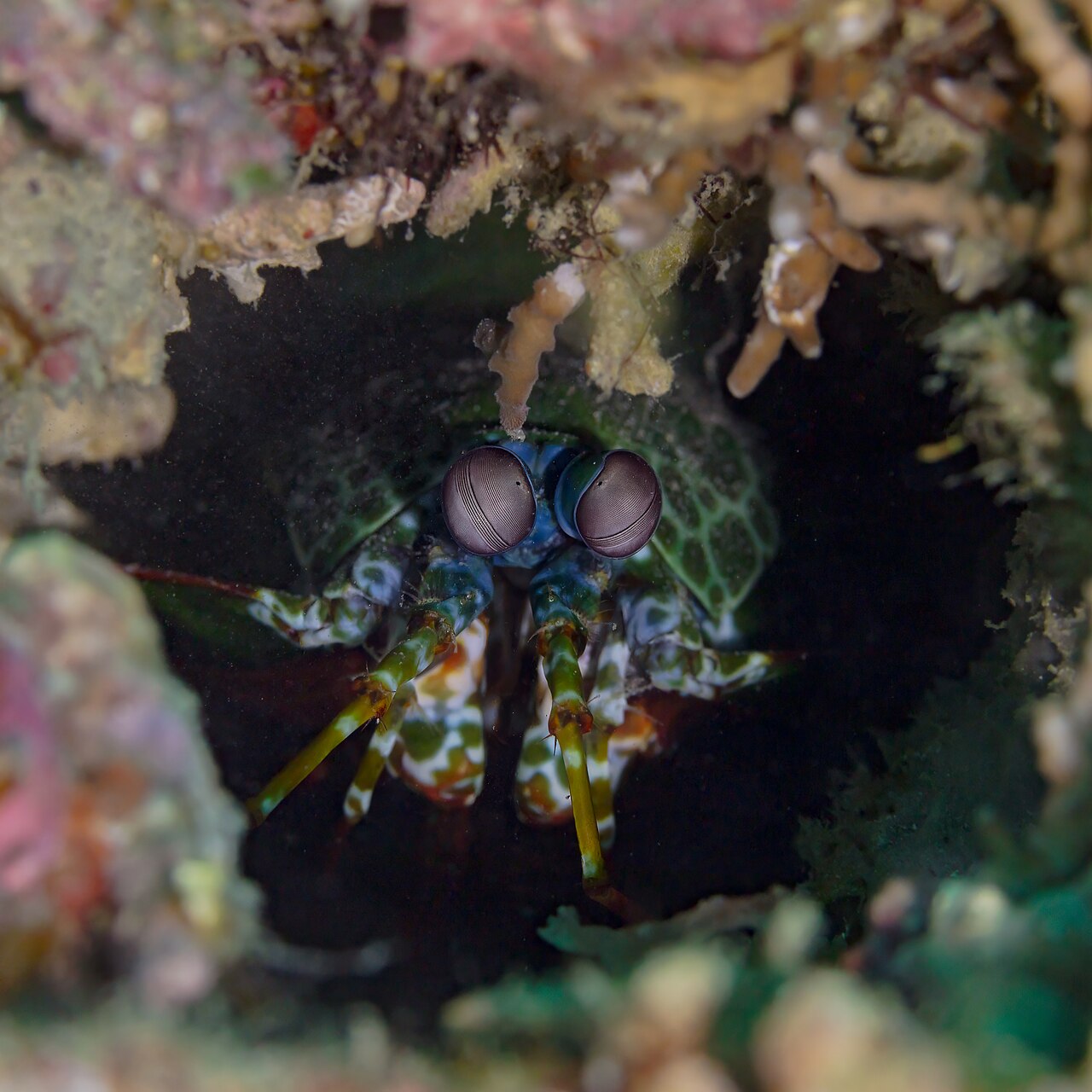
Mantis Shrimp Eyes Contain Pigments That Switch Back and Forth Like Light Switches
Scientists found that some of the animal's vision pigments see red light that few animals can detect.

A Study of 38,467 Songs Finds Lyrics Have Become Less Emotional
Michigan State University researchers looked at songs from 230 artists between 1947 and 2024.