
Ancient Japanese Populations Changed Differently After a Huge Volcanic Eruption
A new study led by Lund University finds that people in prehistoric Japan were affected in different ways after a volcano erupted about 7,300 years ago.
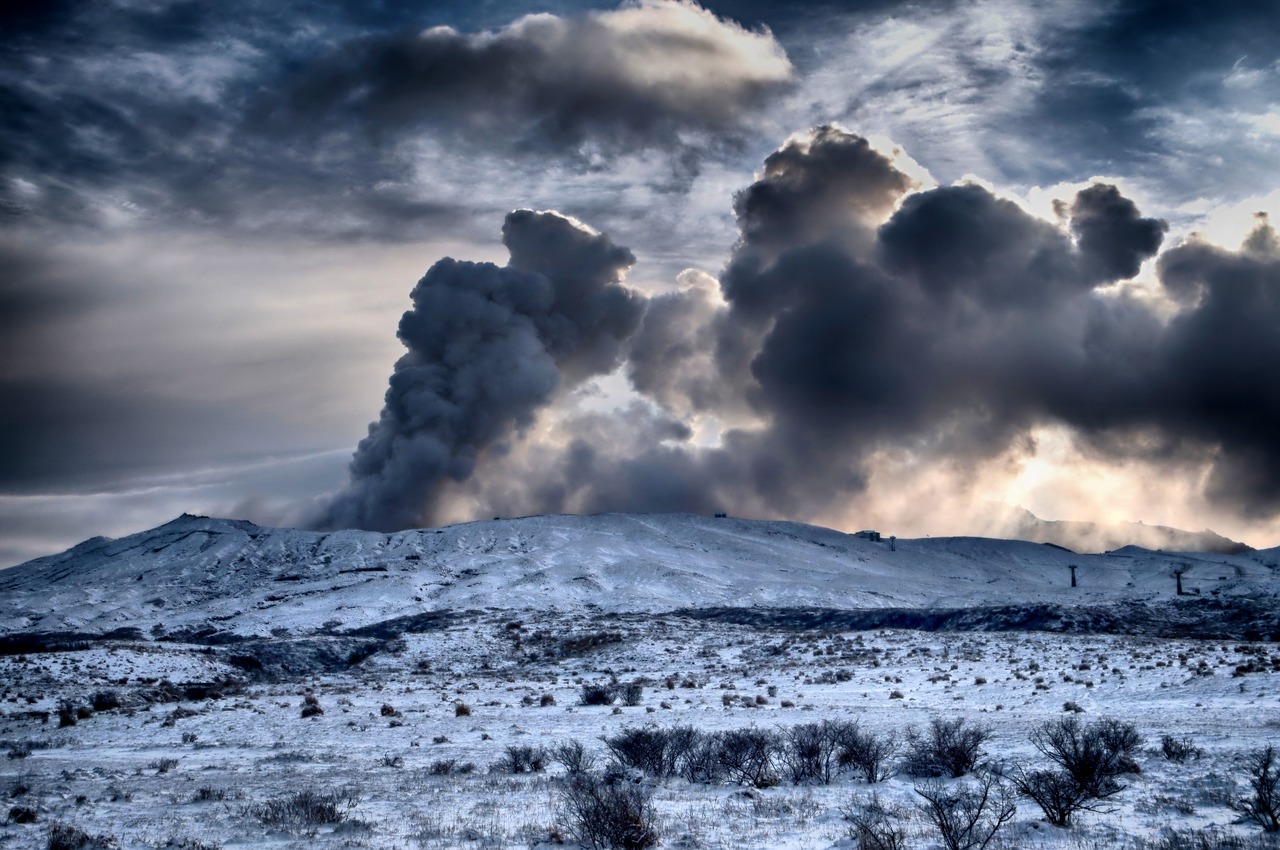
A new international study led by Lund University looks at how many people lived in prehistoric Japan after a large volcanic eruption. According to Phys.org, the research is published in the journal Science Advances.
The eruption, called Kikai-Akahoya, took place in Japan some 7,300 years ago. At that time, Jomon foraging communities lived in Japan and survived as hunter-gatherers, which means they found their food by hunting animals and gathering plants.
The eruption hit the Japanese islands hard. It brought powerful earthquakes and enormous tsunamis, which are very large ocean waves. It also covered the land with meters of volcanic ash, a layer of fine dust that comes out of a volcano.
Archaeologists, who are scientists that study past human life, have argued about what the eruption meant for people for decades. The research team found that two simple ideas were not enough. One idea said that the population fully collapsed, and the other said that life simply continued as before.
The study shows that the results were mixed. Populations went down in some places as ecosystems, the living systems of plants, animals and their surroundings, suffered, and some areas became impossible to live in. In some cases, however, the population grew in the period after the eruption.
Before the eruption, Jomon forager populations were already falling in southern Kyushu, one of the main islands of Japan. Populations grew in northern Kyushu during the disaster and its aftermath. Survivors from inland areas seem to have moved and gathered along northern coastlines, where marine ecosystems, the living systems of the sea, quickly recovered.
In distant parts of Japan, the population stayed the same or went down after the disaster. The study was written by Enrico R. Crema and his team and published in Science Advances in 2026.
More in Science
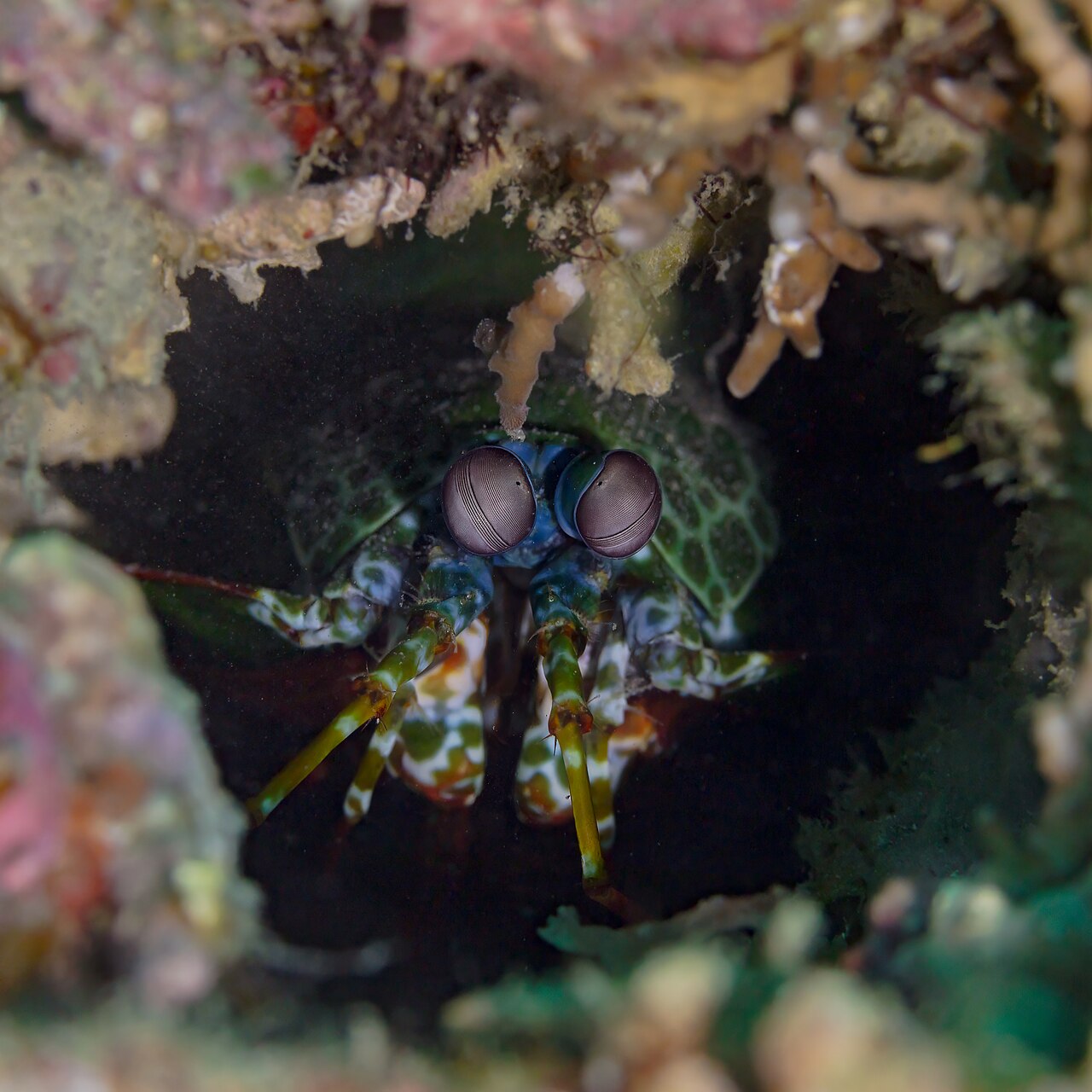
Mantis Shrimp Eyes Contain Pigments That Switch Back and Forth Like Light Switches
Scientists found that some of the animal's vision pigments see red light that few animals can detect.

A Study of 38,467 Songs Finds Lyrics Have Become Less Emotional
Michigan State University researchers looked at songs from 230 artists between 1947 and 2024.
A New Undersea Cable Called Petal Will Carry Huge Amounts of Internet Data
The 4,300-mile cable between the U.S. and France is planned to start working in 2029.