
Captive Birds to Move From Castle Espie Under Wildfowl Trust Changes
Bird-keeping at a County Down wetland site is being scaled back, with its birds moving to other sites across the UK from November.

Castle Espie, a wetland site in County Down, is set to change how it looks after its birds. According to BBC News, all captive birds at the site will be moved to other Wildfowl and Wetlands Trust (WWT) sites across the UK from November onwards.
Castle Espie sits on the shores of Strangford Lough, just outside Comber. It used to have around 500 birds in its captive collection. Today, it has fewer than 100.
There are several reasons for the change. Avian influenza, which is a bird disease, has affected the numbers of captive birds. Difficulties in moving birds since Brexit have also played a part. Bringing birds into Northern Ireland from mainland UK has no aligned system, and movement of captive birds from Britain requires an export health certificate. Captive birds must also be checked when they arrive in Northern Ireland.
WWT is also cutting costs. Alex Lane, Director of Operations at WWT, said the trust has a sizeable deficit that is unsustainable in the long term. Lane said the site needs to stop its formal education offering partly because of financial pressures, and that not enough schools are booking guided tours to cover costs.
As a result, the captive bird programme and the guided school tour programme will close. Castle Espie will no longer offer guided school tours, but it will continue to welcome self-guided school visits.
SDLP MLA Cara Hunter described the loss of guided educational visits as disappointing.
The changes are part of wider WWT cost-cutting measures.
More in Science

Ancient Japanese Populations Changed Differently After a Huge Volcanic Eruption
A new study led by Lund University finds that people in prehistoric Japan were affected in different ways after a volcano erupted about 7,300 years ago.
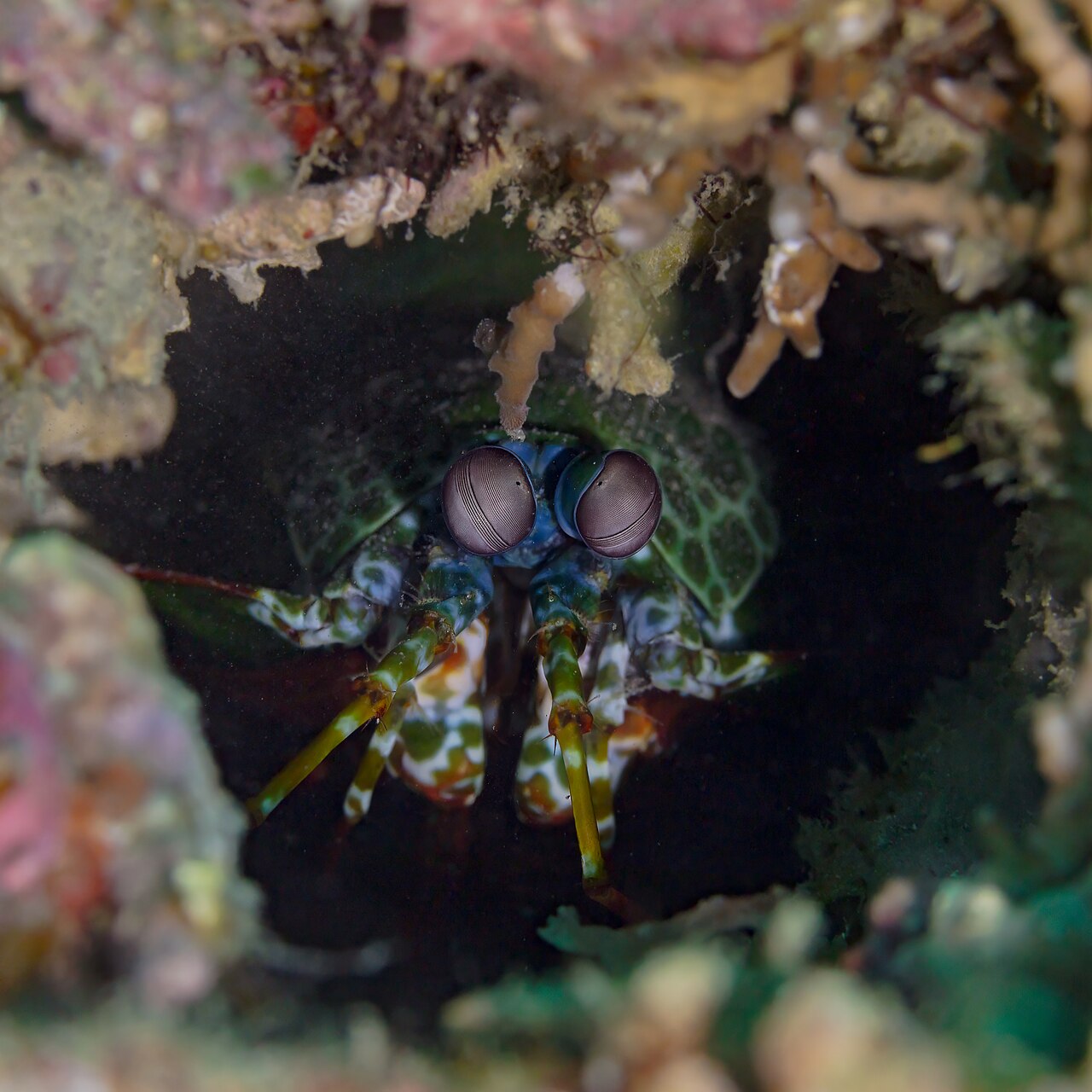
Mantis Shrimp Eyes Contain Pigments That Switch Back and Forth Like Light Switches
Scientists found that some of the animal's vision pigments see red light that few animals can detect.

A Study of 38,467 Songs Finds Lyrics Have Become Less Emotional
Michigan State University researchers looked at songs from 230 artists between 1947 and 2024.