
Scientists Find a Hidden "ID Card" in Cat Urine
Japanese researchers say 13 unusual fatty acids may let cats recognize each other long after a scent is left.
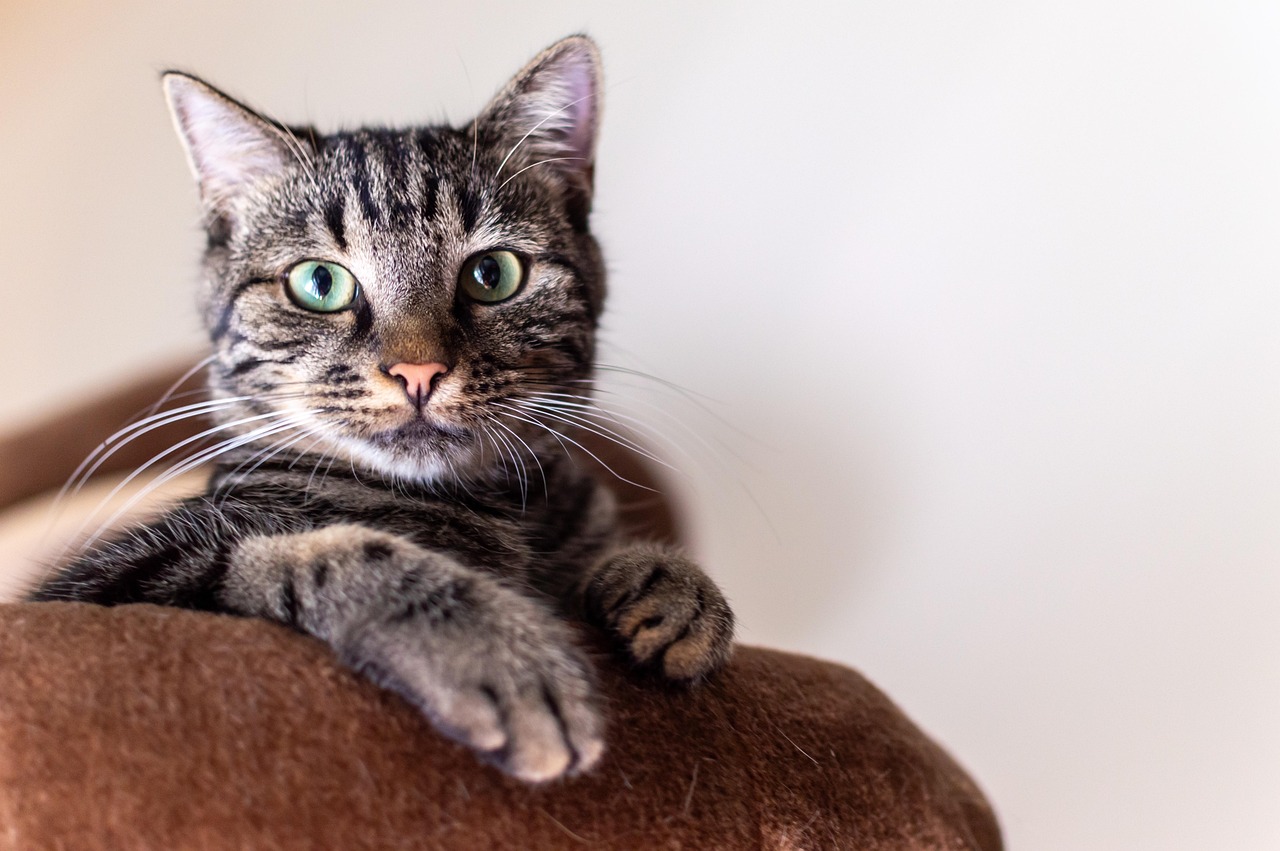
Cats learn a lot about each other from smell, especially urine and other scent marks. These traces can keep sending a message long after the cat who left them has gone. That raises a puzzle, ScienceDaily says: many smells fade, break down or change, so how can another animal still tell who left them?
A team headed by Iwate University with experts from Spain, Germany, and Japan might have discovered a piece of the solution. They found 13 unusual fatty acids in cat urine, called branched-chain fatty acids, or BFAs. The exact mix and proportions of the 13 vary from cat to cat, but stay fairly steady in the same animal. In tests, cats could tell the difference between the BFA mixes. The scientists suggest that BFAs act as a lasting chemical "calling card" that keeps information about who a cat is. The study is set to appear in the journal Current Biology.
First the team had to show that cats can tell the urine of different individuals apart. When a cat sniffed the same urine over and over, it spent less and less time on it. When urine from another cat was added, its interest went up again. Cats kept the reduced reaction even after gaps of months, which suggests they have long-term memories of particular scents. The researchers also watched the flehmen response, the open-mouthed expression cats make when they investigate certain smells. Cats did it more often with unfamiliar urine than with their own, and it became less frequent as the same urine was repeated.
Professor Masao Miyazaki of Iwate University, who led the project, said that after confirming cats can tell individual smells apart, the team used the flehmen response as a clue to find the molecules involved. Narrowing down the search, they found the 13 acids. The researchers found no earlier reports of these same fatty acids in the waste or secretions of other mammals. What stood out was the pattern they formed, and each cat had a different one.
About this story
Source: ScienceDaily. Spotted a mistake? Tell us.
More in Animals
Immune Cells Can Both Block and Help Bone Regrowth in Mice
A study of mouse fingertips found that some immune cells slow bone repair while others protect it.
Scientists Find a Hormone in Spiny Dogfish Sharks That Experts Thought Sharks Lacked
A study in Canada detected cortisol in the blood of a small shark species.
A Big Genetic Study of Cat Cancer Finds Surprising Links to Human Cancer
University of Guelph researchers studied tumors from almost 500 cats and say the results could help both species.