
A Big Genetic Study of Cat Cancer Finds Surprising Links to Human Cancer
University of Guelph researchers studied tumors from almost 500 cats and say the results could help both species.
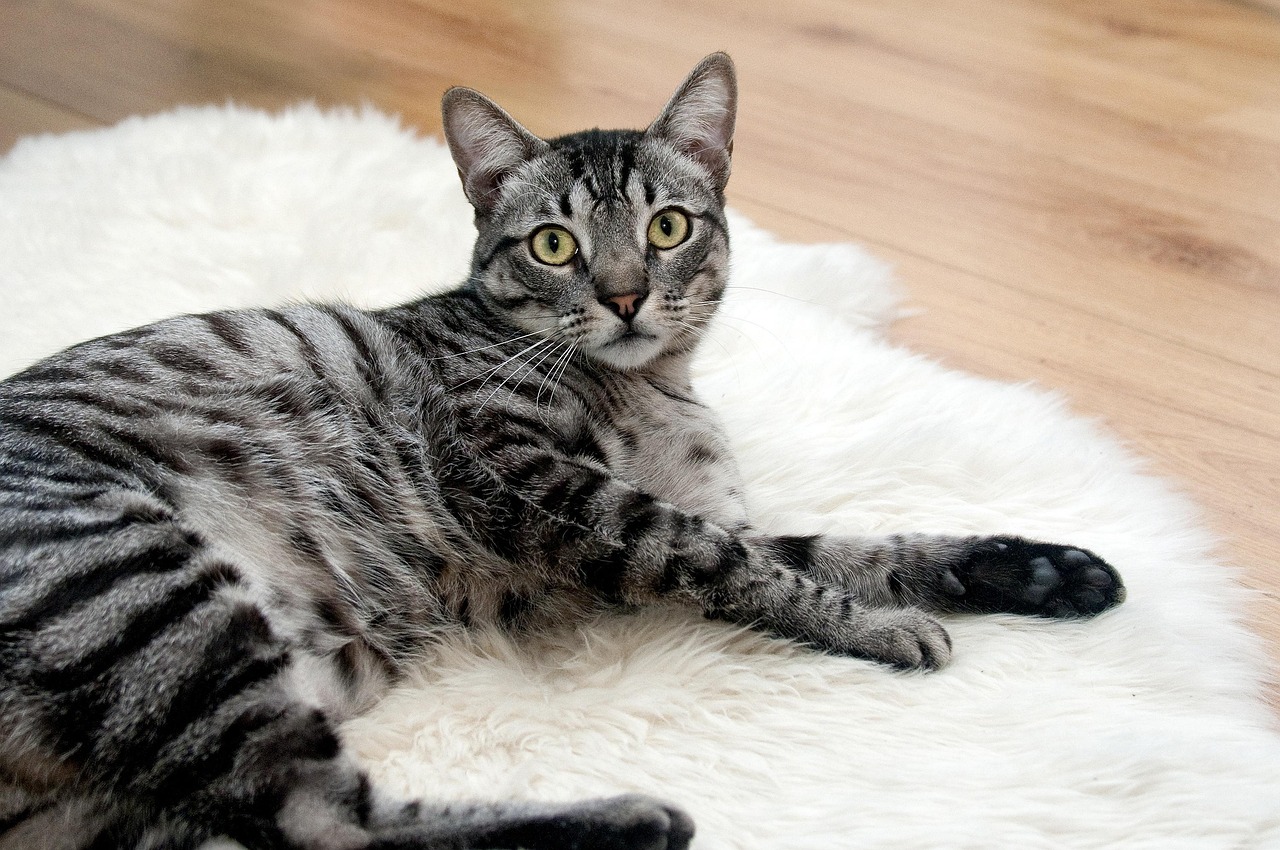
Scientists have taken a major step toward understanding cancer in cats. ScienceDaily reports that an international team published a large study in the journal Science, in which they studied the genes of cat cancers on a scale that had not been tried before. The work could improve cancer care for cats and also help researchers understand how some cancers start in people and other animals. The team also made a free resource that other scientists can use to study cat cancer genes.
Cats often get sick or die from cancer, but researchers have far less information about the genetic mutations that cause feline tumors compared to the ones found in dogs or people. Dr. Geoffrey Wood, a pathobiology professor at the University of Guelph and a senior author of the study, said that although cats are common pets, very little was known about the genetics of their cancers until now.
The researchers looked at tumor samples from almost 500 domestic cats in five countries, searching for changes in genes that help cancers form and grow. A lot of cancers happen because of shifts in genes that usually manage how cells grow, split, fix themselves, or end. Scientists call genes that contribute directly to tumor growth driver genes. The team found that many of the driver genes in cat cancers are also known from human and dog cancers.
One clear example was in aggressive mammary cancers, which start in breast tissue. The most common driver gene in cat mammary tumors was FBXW7, and more than half of the tumors had a change in it. This gene normally helps control proteins that manage cell growth. In people, changes in FBXW7 in breast cancer are linked to a worse outlook, which matches what was seen in cats. The scientists also found similarities in cancers of the blood, bones, lungs, skin, digestive system and nervous system.
These links may be useful because cats often live in the same places as people. They can meet some of the same things as their owners, such as household chemicals, air pollution and smoke, so studying cancers that occur naturally in pets could show how genes and surroundings work together.
About this story
Source: ScienceDaily. Spotted a mistake? Tell us.
More in Animals
Immune Cells Can Both Block and Help Bone Regrowth in Mice
A study of mouse fingertips found that some immune cells slow bone repair while others protect it.
Scientists Find a Hormone in Spiny Dogfish Sharks That Experts Thought Sharks Lacked
A study in Canada detected cortisol in the blood of a small shark species.
A Humpback Whale Mother Stayed Near Her Calf for Hours, Scientists Report
Researchers say the rare sighting off Australia's Gold Coast may offer clues about whale emotions.