
Scientists Discover a New Frog Hiding in the Amazon's Flooded Forests
The frog, named Adenomera varcena, looks almost identical to its relatives, but its DNA and call are different.
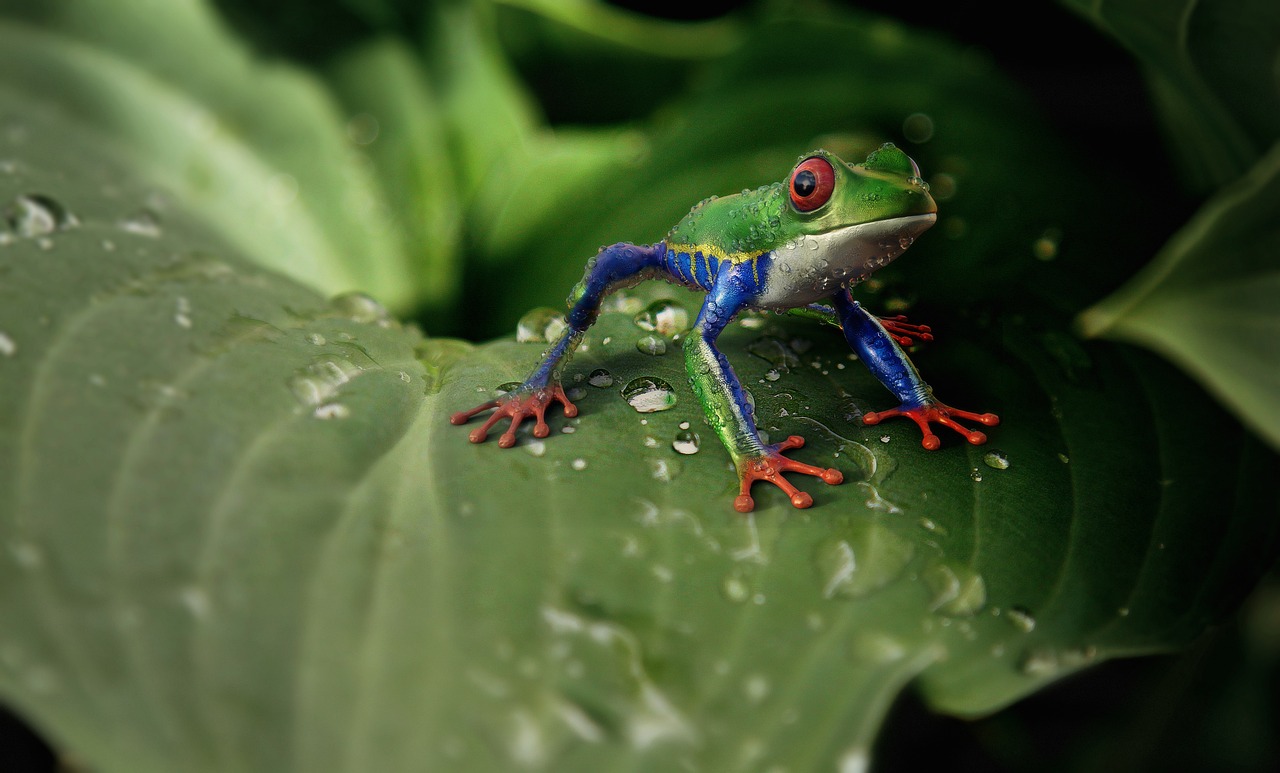
Scientists have identified a previously unknown frog living in the seasonally flooded forests of the western Amazon. It is named Adenomera varcena, and ScienceDaily reports that it adds to evidence that the Amazon's wildlife is richer than it seems. The discovery also shows what scientists call cryptic diversity, which means animals that look almost the same can belong to different species. The researchers told the new frog apart by combining several kinds of evidence, including its DNA and its distinctive call. The results were published in the journal Ichthyology & Herpetology.
The team includes Célio Haddad of São Paulo State University and Thiago Carvalho of the Federal University of Minas Gerais. The discovery came from field trips to the Upper Juruá River area in the western part of the Brazilian state of Acre, where scientists surveyed patches of forest near the Moa and Crôa rivers, close to Cruzeiro do Sul.
Proving it was a new species took far more than looking at it. The researchers compared DNA, recordings of its calls, its body shape, information about where it lives and specimens in scientific collections. The name varcena refers to Amazonian floodplain forests, which are under water during part of the year. That is notable, because frogs of the group Adenomera are usually linked with dry-land forests, so this is a habitat that had not been connected with the group before.
The new frog closely resembles its relatives, but it differs in a few ways. It lacks a dark spot on the underside of its forearm. Its mating call is also different: a short sound at a slow rhythm, along with other specific features of the sound, which helped to separate it from similar species.
The researchers also found signs that many other Adenomera lines have still not been formally described, so scientists have a lot of work to do to understand how these amphibians spread out across the Amazon. The scientists say they do not yet know enough about the frog's life to say how a changing climate might affect its flooded habitat.
About this story
Source: ScienceDaily. Spotted a mistake? Tell us.
More in Animals
Immune Cells Can Both Block and Help Bone Regrowth in Mice
A study of mouse fingertips found that some immune cells slow bone repair while others protect it.
Scientists Find a Hormone in Spiny Dogfish Sharks That Experts Thought Sharks Lacked
A study in Canada detected cortisol in the blood of a small shark species.

A Big Genetic Study of Cat Cancer Finds Surprising Links to Human Cancer
University of Guelph researchers studied tumors from almost 500 cats and say the results could help both species.