
Why So Many European Landmarks Have Legends About Devils, Giants and Dragons
A folklorist says unusual places attract stories, such as the Devil's Bridge in Wales.
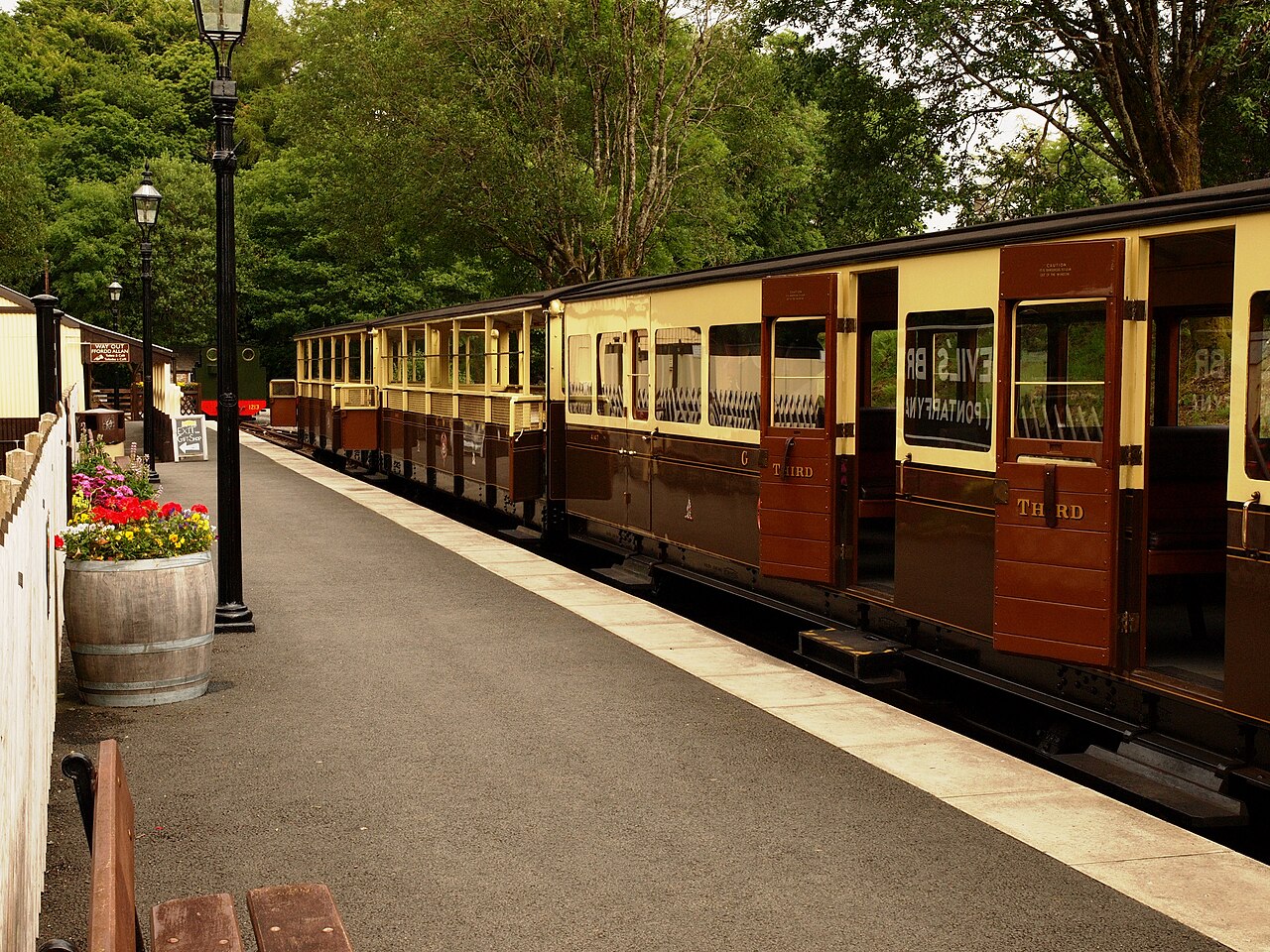
Across Europe, dramatic landscapes and bold structures that looked impossible for people to make have often been explained with stories about devils, giants, dragons and saints. Smithsonian magazine looks at seven of them. One is Devil's Bridge near Aberystwyth in Wales, and a writer wondered why so many bridges in Europe have that name.
In many folk tales, a bridge seems impossible to build, so the devil offers to finish it in return for the soul of the first one to cross. In the end, the devil is outwitted.
Ceri Houlbrook, a folklorist and archaeologist at the University of Hertfordshire in England, says people have long used folklore to make sense of the world, especially when something could not otherwise be explained. She says features of the landscape that stand out attract stories like a magnet. A deep gorge, a risky river crossing or a mountain full of caves could be dangerous, and extraordinary structures seemed to need an explanation beyond what a person could do. The stories survived even though geology and engineering give answers backed by evidence. Houlbrook says people keep telling them whether or not they believe a rock was thrown by a giant, because the stories entertain, amuse and fascinate.
The Devil's Bridge in Wales is really three bridges, one above another, across the Mynach Gorge. The oldest, at the bottom, probably dates from medieval times, and monks of the nearby Strata Florida Abbey may have built it. Another came in 1753, and an iron one was added in 1901. Nearby, the Mynach Falls tumble almost 300 feet down a narrow ravine, and the Mynach river then meets the Rheidol.
According to the legend, the devil offered to build the bridge for the soul of the first living creature to cross. An old woman tricked him by throwing bread across the bridge and sending her dog after it.
The real history is less tidy. Michael Freeman of the Ceredigion Historical Society says the bridge was known in Welsh as Pontarfynach, or the Monk's Bridge. The link with the devil does not seem to go back before the early 18th century, and the story was not printed until the early 19th century, when English tourists helped spread it. Juliette Wood, a folklorist at Cardiff University, says it is one of many "migratory" legends that show up in many places. She adds that the devils in these stories are usually not very scary. They are more like ogres, and not very clever ones.
About this story
Source: Smithsonian. Spotted a mistake? Tell us.
More in Travel
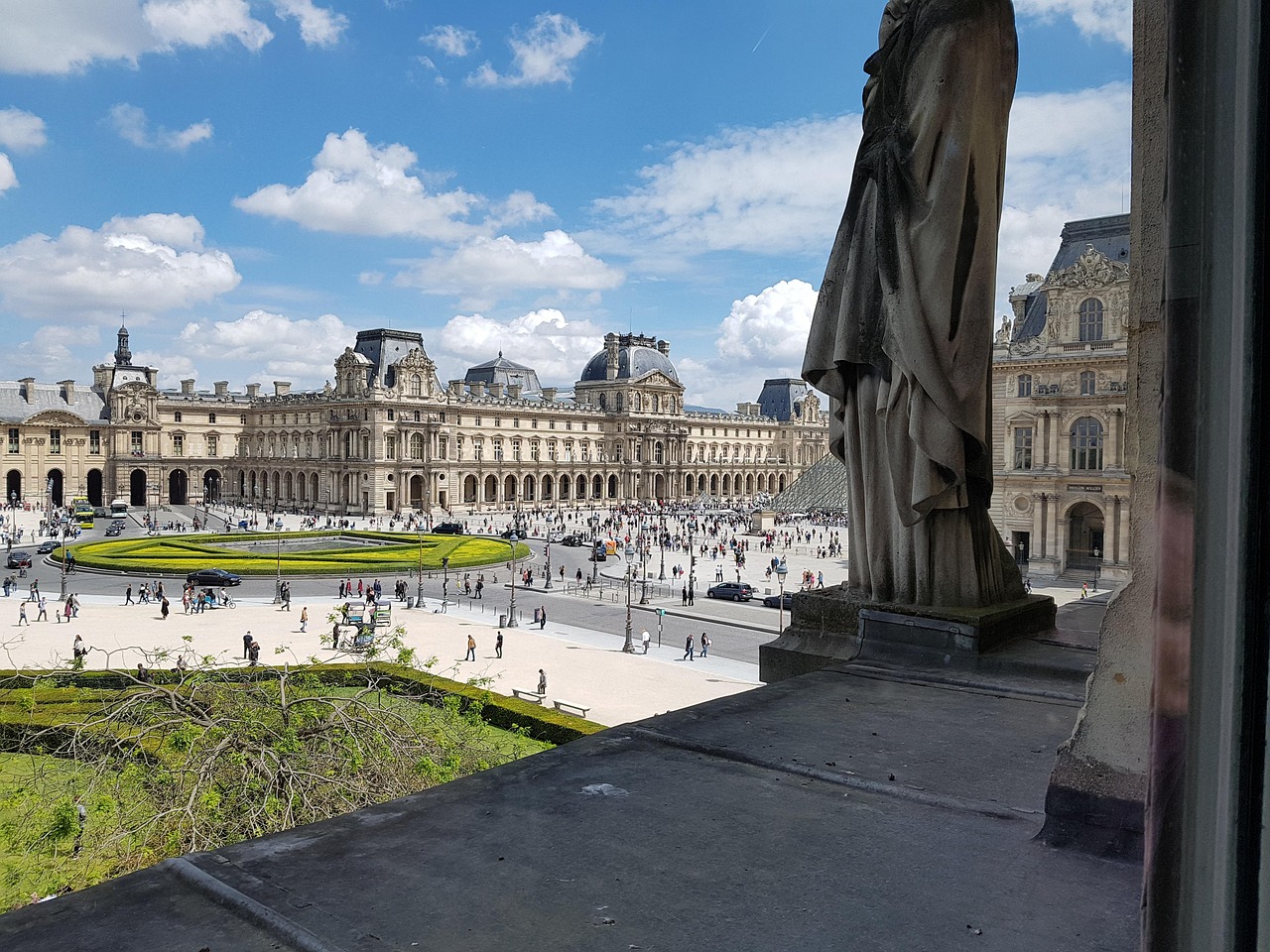
New Art Center Opens on Paris's Île Seguin in October 2026
Large, a contemporary art center focused mainly on the French art scene, will open on Île Seguin near Paris this October.
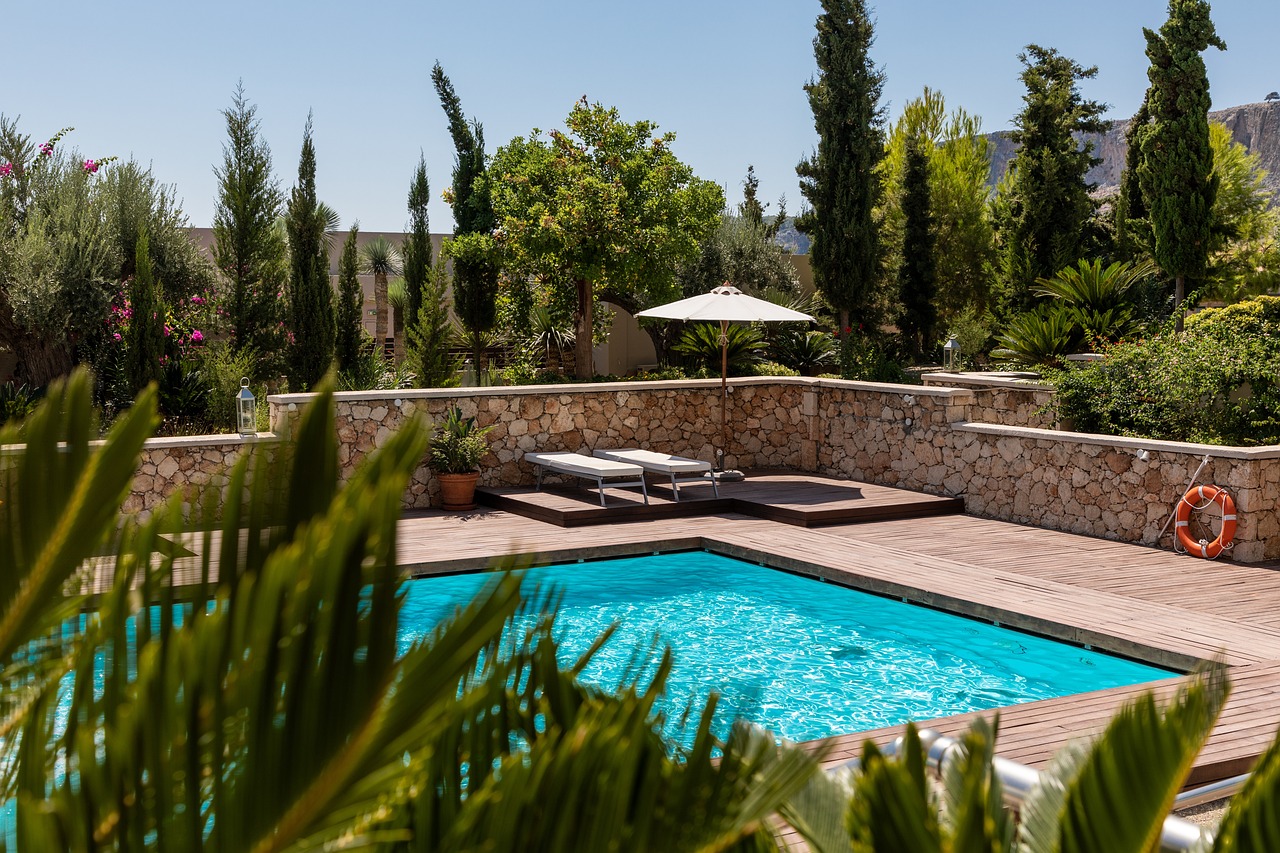
Hotels Now Offer Tennis Courts, Surf Lessons and Game Tickets
Condé Nast Traveler says sports tourism is worth about $1.16 trillion, and hotels are joining in.
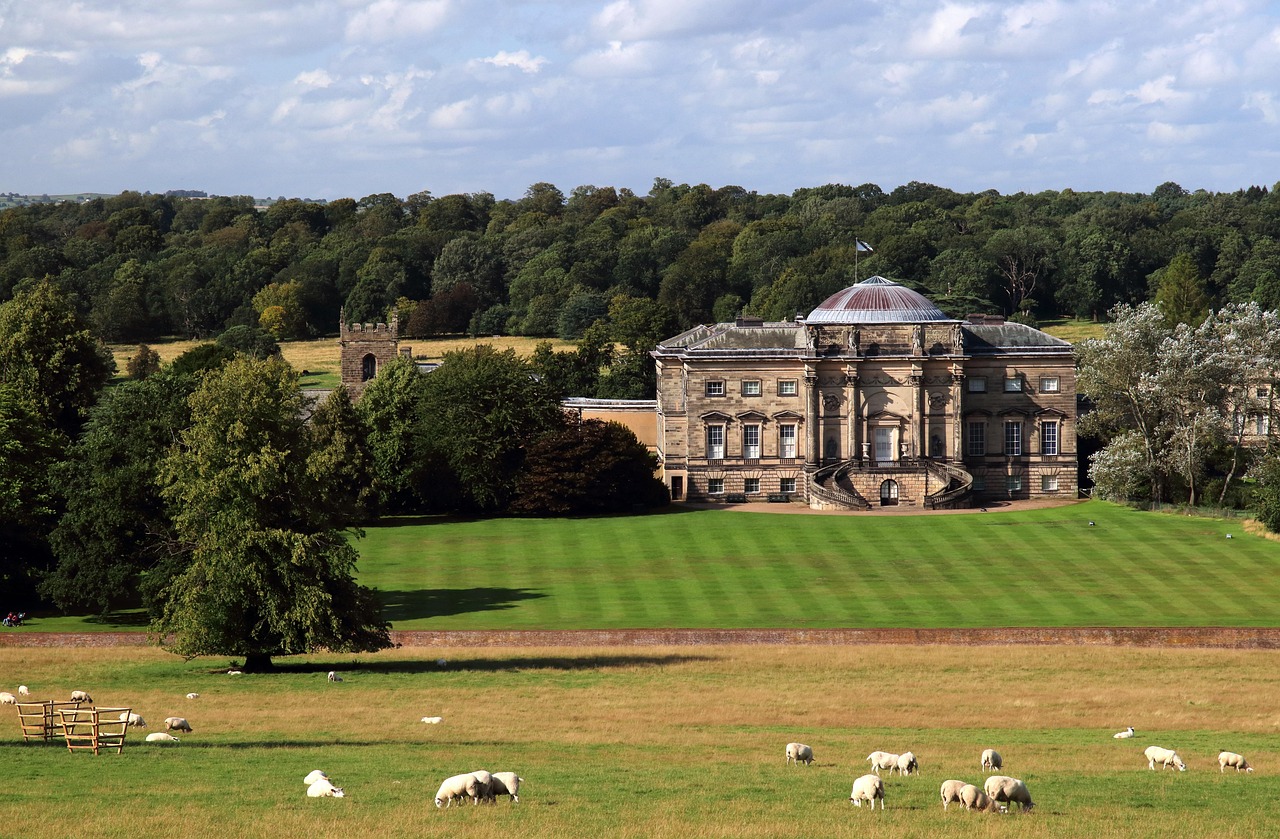
Sleep at the Real Places Where Jane Austen Films Were Made
Historic estates and cottages from film versions of Austen's books are open to overnight guests in the UK.