
Walking With Goats on One of Africa's Oldest Migrations in Morocco
Berber families still move their herds up to 180 miles between summer and winter pastures.
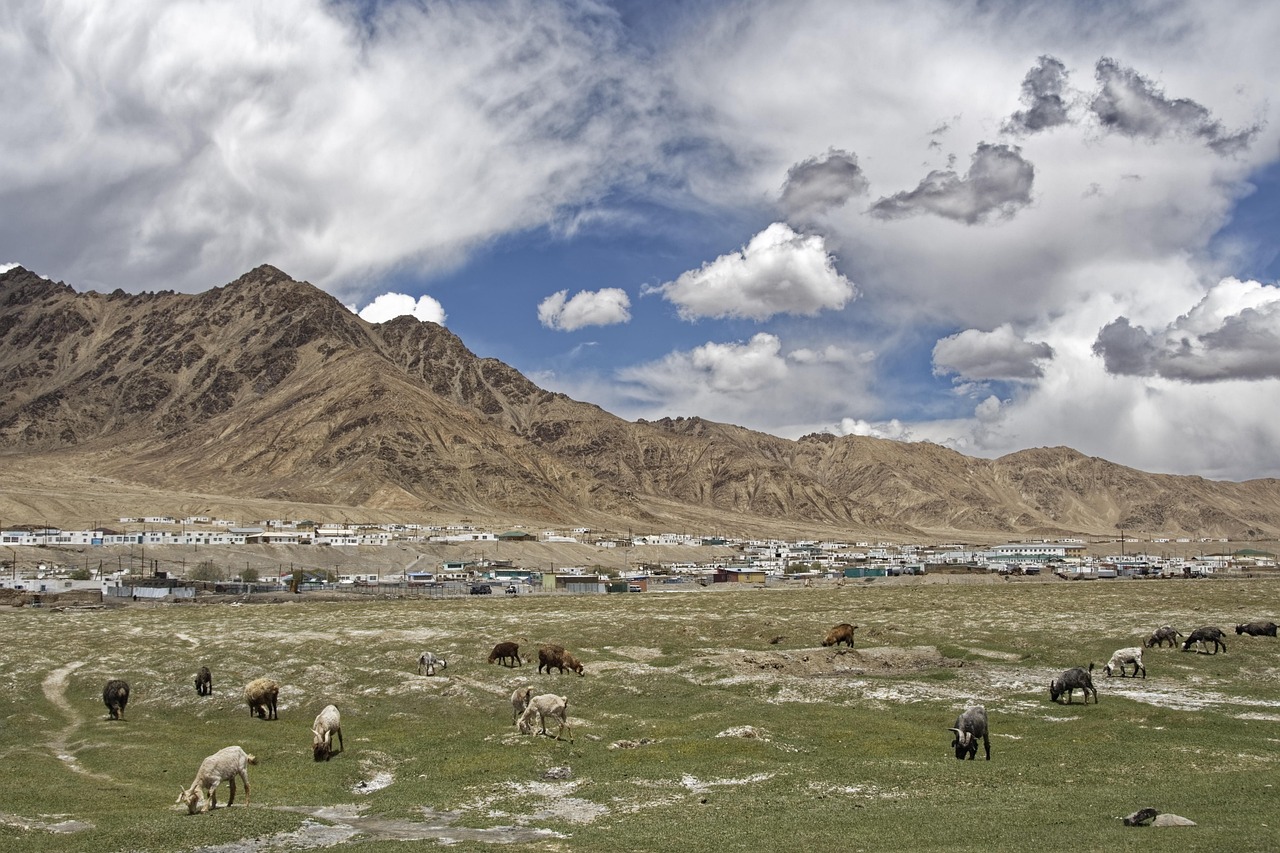
A traveler writing for Condé Nast Traveler joined a Berber family on a trek through Jebel Saghro, a rugged part of southeast Morocco, with bleating goats echoing across the canyons and towers of dark rock. The family's matriarch, Telhou Belâawane, wore a red djellaba, a long robe, and could be spotted high on a peak, which meant the goats were near. The writer found that the goats' black coats were almost impossible to tell apart from the volcanic landscape.
The region is the ancestral home of Telhou's people, the Aït Atta, a historically powerful Berber tribe. Amazigh is another name for Berber, and it translates to "free people." This region goes from the High Atlas Mountains to the border of the Sahara, and it hosts one of Africa's most ancient migrations two times every year. For thousands of years, Aït Atta and other Berber families have moved their animals up to 180 miles, from summer grazing land in the High Atlas to winter pastures in Jebel Saghro. This seasonal journey, called transhumance, is part of a semi-nomadic way of life that is quickly disappearing.
The writer joined Telhou, her husband Hmad and their daughter Saâdia in late September, ten days into their trek, with a support team from the travel company Black Tomato. The trek is one of five trips in its new collection, The Keepers. Each is built around people who practice and pass on traditional knowledge, from a Daoist master in Chengdu, China, to a shellfish gatherer on Chiloé Island in Chile who reads the ocean's tides. Black Tomato's co-founder, Tom Marchant, predicts that human knowledge and connection will be the greatest luxuries in a world where almost anything can be looked up in seconds. He says travelers increasingly want to be students, not just spectators.
Before the writer arrived, the family's caravan had 200 goats, two dogs to help herd them, two chickens for eggs and three donkeys to carry tea kettles, water jugs, blankets and food. The company added five mules and a dozen more people, including drivers, a chef and mule handlers. Several of them are cousins of the family, and many, like head mule handler Zaïd Oukhazaid, have reluctantly settled in villages, for reasons that include climate change.
About this story
Source: Condé Nast Traveler. Spotted a mistake? Tell us.
More in Travel

New Art Center Opens on Paris's Île Seguin in October 2026
Large, a contemporary art center focused mainly on the French art scene, will open on Île Seguin near Paris this October.
Hotels Now Offer Tennis Courts, Surf Lessons and Game Tickets
Condé Nast Traveler says sports tourism is worth about $1.16 trillion, and hotels are joining in.
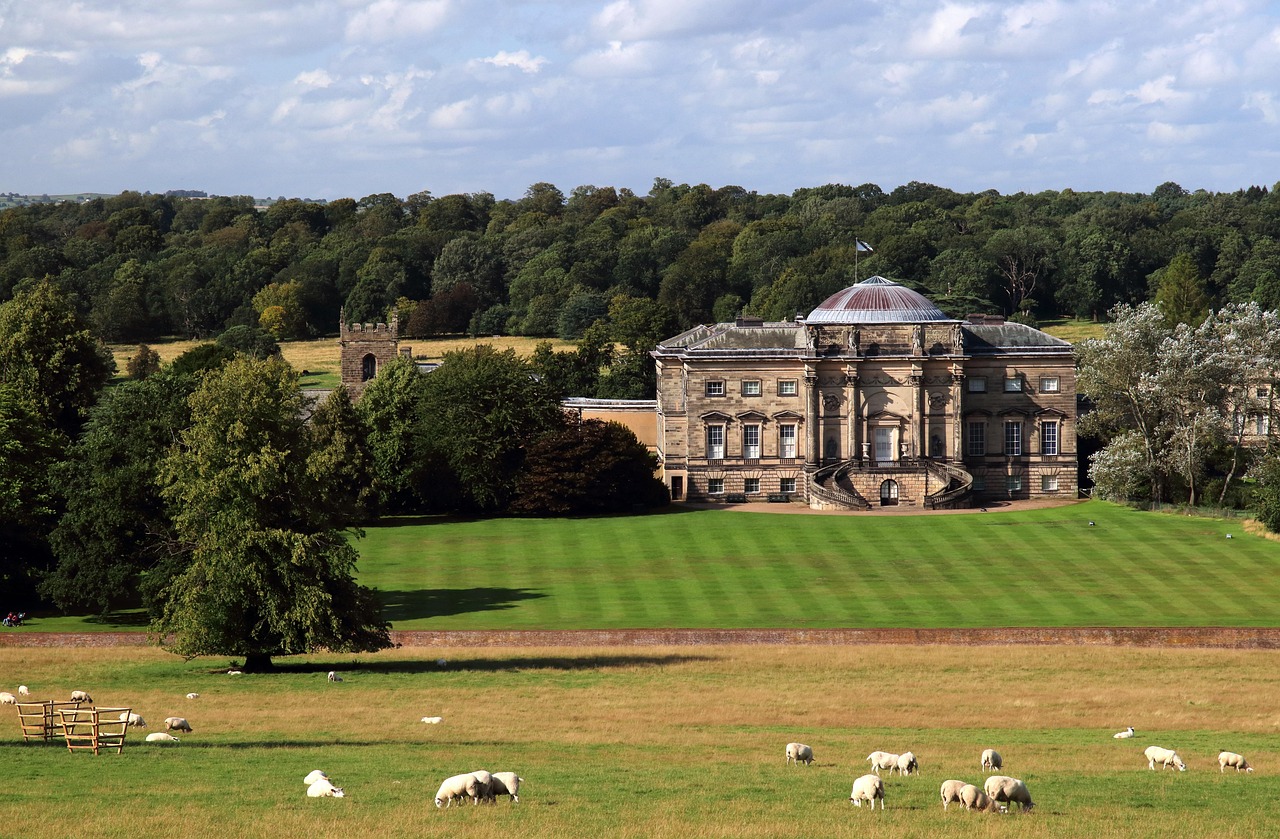
Sleep at the Real Places Where Jane Austen Films Were Made
Historic estates and cottages from film versions of Austen's books are open to overnight guests in the UK.