
Focaccia di Recco: The Thin, Cheesy Bread From the Italian Riviera
Unlike soft, fluffy focaccia, this version has no yeast and is filled with melted cheese.
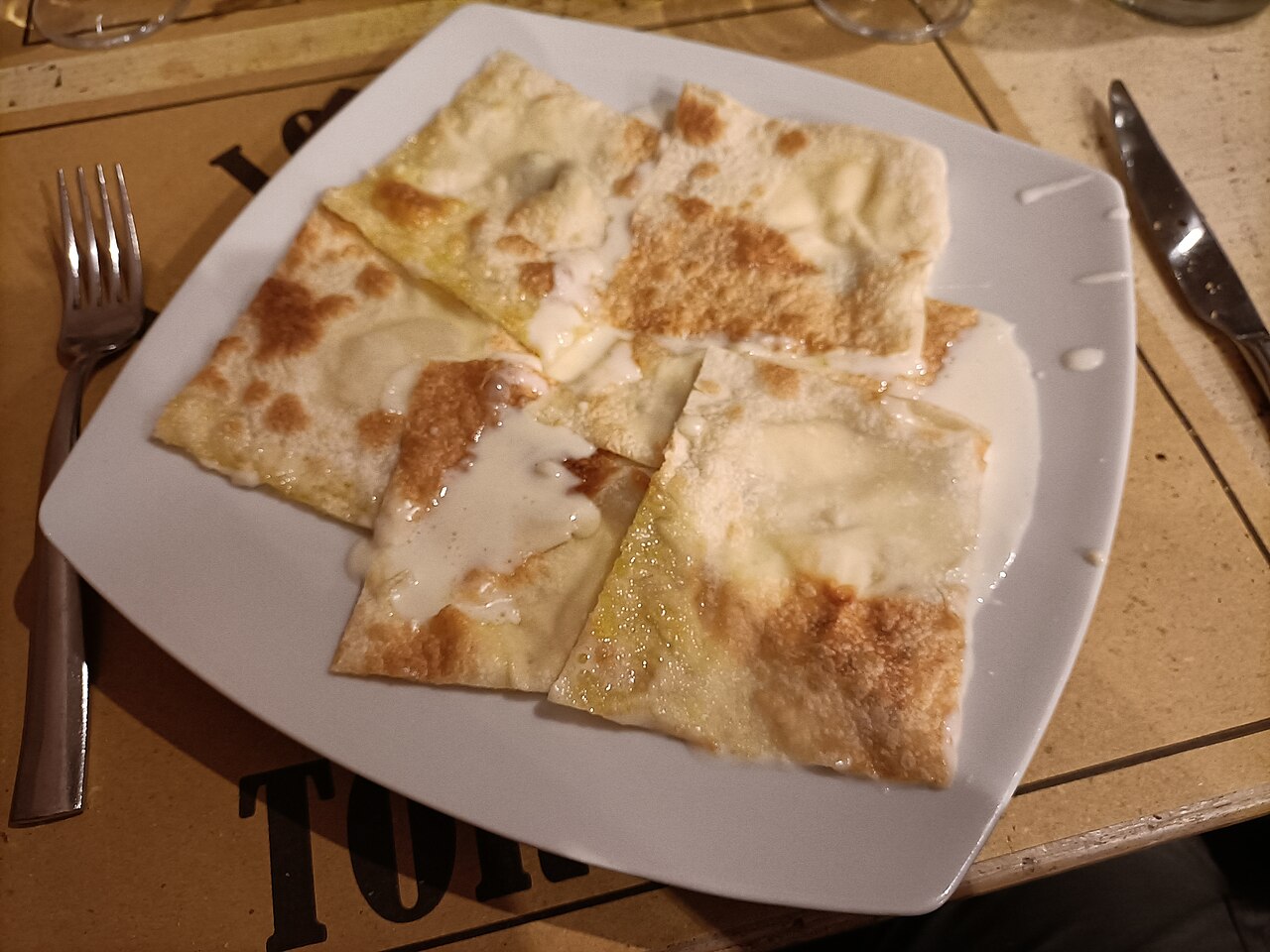
Most people think of focaccia as soft, fluffy bread made with yeast and baked in a sheet pan, great for mopping up sauce. But people in Liguria, on the Italian coast, will tell you the best focaccia is focaccia di Recco. A Smithsonian writer drove six hours from Switzerland, during a summer heat wave, to try it.
Focaccia di Recco is very different from the bread most Americans know. It has no yeast. The bread is a thin flatbread with a gooey cheese filling, most often crescenza or stracchino. It bakes in a very hot oven until crisp and golden.
It is one of only four foods from the Ligurian coast with a Protected Geographical Indication, or PGI, from the European Union. A real focaccia di Recco can be made only in Recco or the nearby towns of Camogli, Sori and Avegno. For 20 years, a group called the Consorzio della Focaccia di Recco has protected the bread's legend and promoted it through events such as the Recco Focaccia Festival.
Giovanni Astolfoni, a chef at Botanico Restaurant in Nervi, says the bread celebrates real local traditions and links food, people and place. It looks simple, he says, but making it well takes experience, patience and respect for the ingredients. Even famous pizza makers admire it. Francesco Capece, owner of Confine in Milan, which was recently named Italy's best pizzeria, says it impresses him because of its simplicity and the craftsmanship behind it. A few ingredients, he says, create a balance between crispy, paper-thin dough and creamy cheese.
According to the consortium, the bread's history reaches back to 1189, when a form of it was served to medieval knights shortly before they set off for the Holy Land. But the bread became what it is today around the 16th century, during raids by pirates, says Lucio Bernini, the consortium's director. As people from Recco fled to the mountains, they carried flour, oil and cheese, and combined and cooked them on slate stone. At the end of the 1800s, bakeries and taverns sold the bread to local people on All Souls' Day, November 2.
About this story
Source: Smithsonian. Spotted a mistake? Tell us.
More in Travel
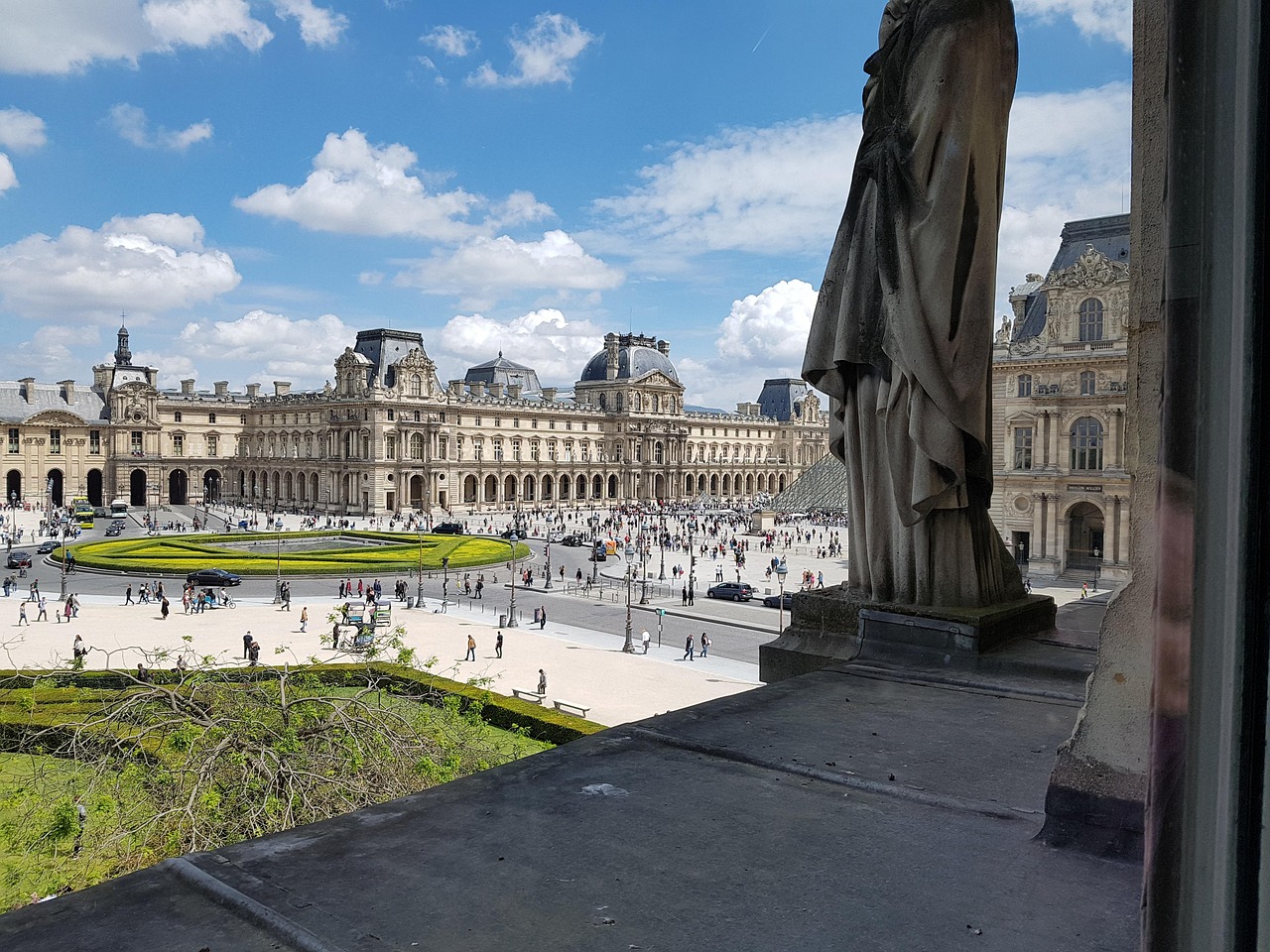
New Art Center Opens on Paris's Île Seguin in October 2026
Large, a contemporary art center focused mainly on the French art scene, will open on Île Seguin near Paris this October.
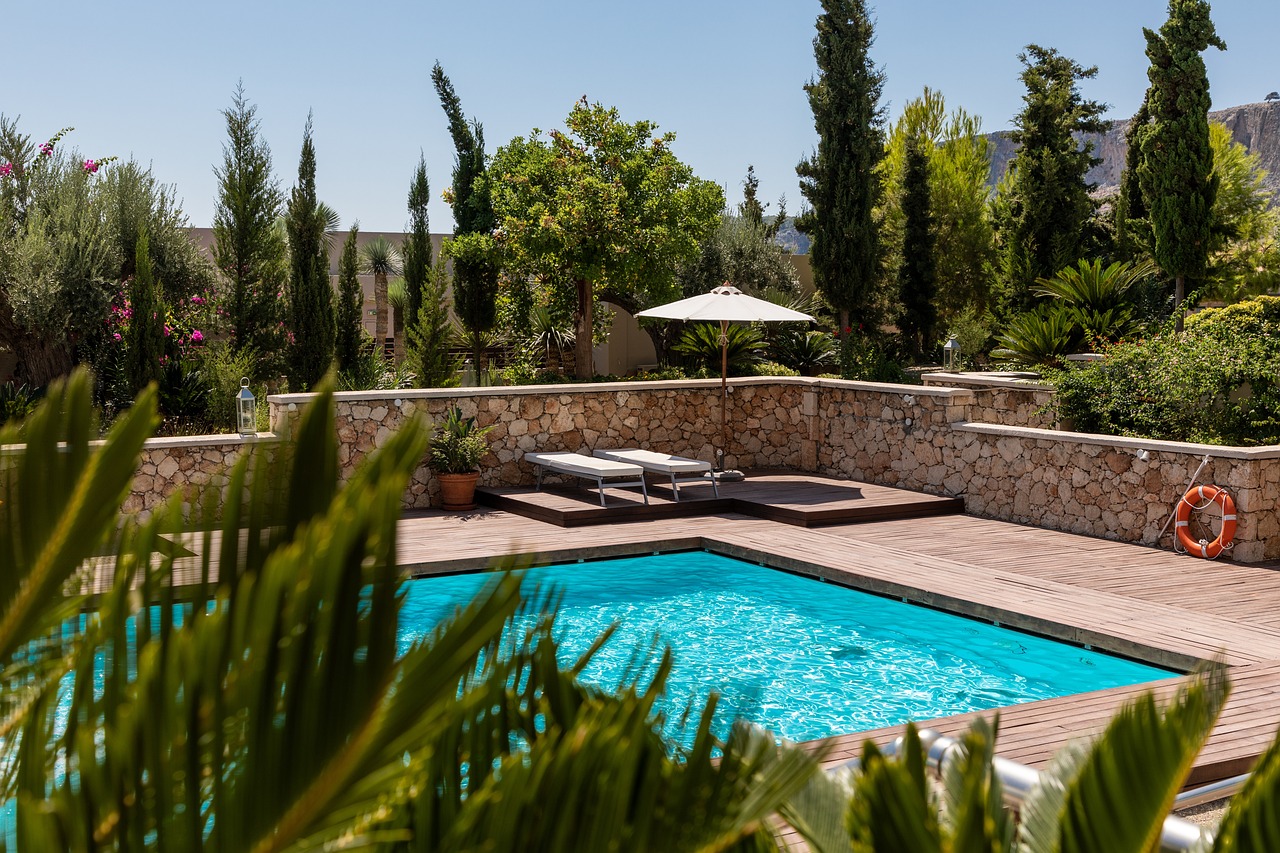
Hotels Now Offer Tennis Courts, Surf Lessons and Game Tickets
Condé Nast Traveler says sports tourism is worth about $1.16 trillion, and hotels are joining in.
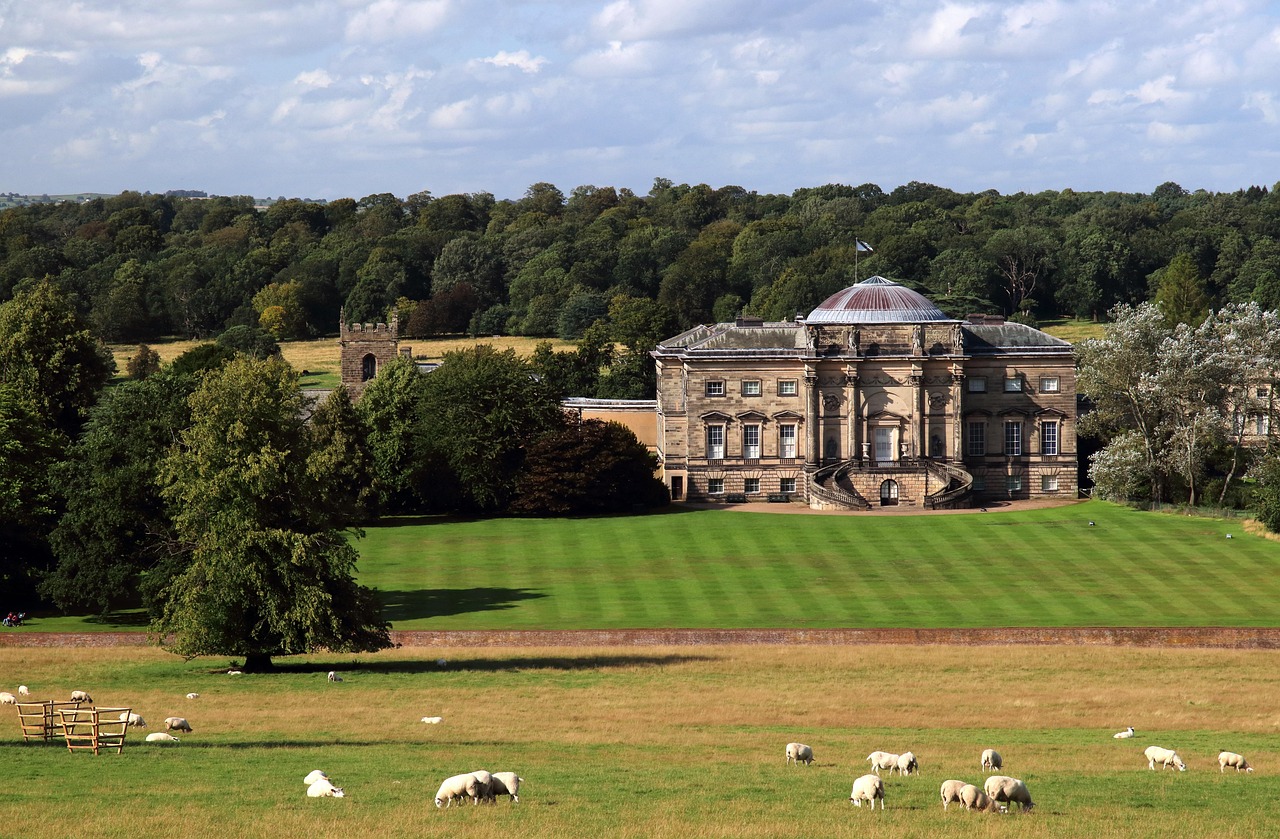
Sleep at the Real Places Where Jane Austen Films Were Made
Historic estates and cottages from film versions of Austen's books are open to overnight guests in the UK.