
Ancient Rocks Reveal How Earth Kept Its Oxygen for Billions of Years
Scientists say a cycle in the oceans that recycled the nutrient phosphorus may be the answer.
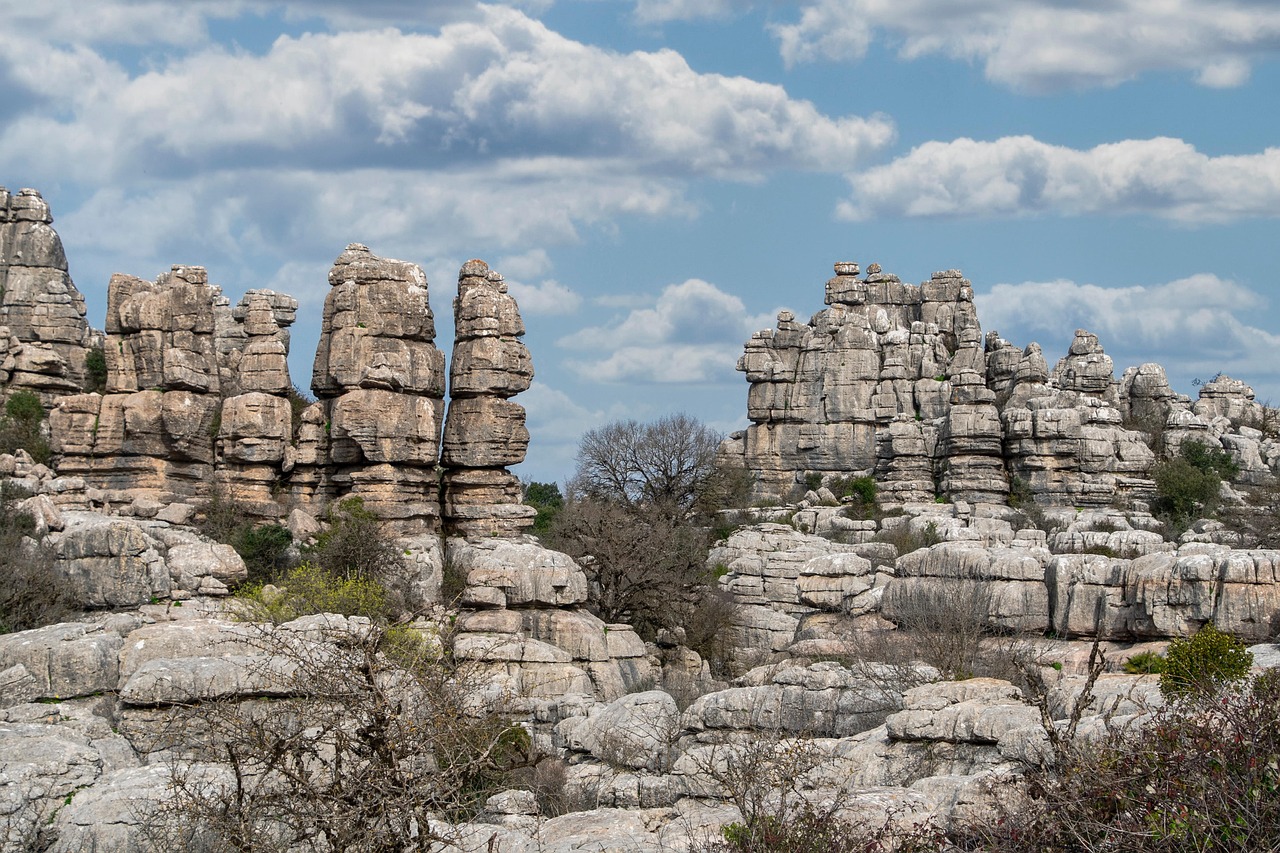
About 2.3 billion years ago, oxygen began to build up in Earth's air during a big turning point called the Great Oxidation Event. Scientists have understood that change for decades. A harder question was how the planet kept enough oxygen for millions of years afterward. Researchers now say the answer may be a natural recycling system in the oceans.
The team studied ancient rocks from South Africa. Their research, published in Nature Communications, included University of California, Riverside geologist Andrey Bekker. They found evidence of a feedback loop, which is a cycle where one change leads to another that reinforces the first.
Here is how it worked. As oxygen spread into the oceans, it changed the chemistry of seawater and raised the amount of sulfate, a compound that contains sulfur and oxygen. Some microbes used the sulfate to break down organic material, which is the remains of living things, more efficiently. As they did this, they released phosphorus back into the water. Phosphorus is a nutrient that living things need.
With more phosphorus, more life could grow in the oceans. More organic carbon was then buried in sediments on the seafloor and was not broken down. Breaking down organic matter can use up oxygen, so burying more carbon helped oxygen keep building up in the air. That created a cycle: more oxygen led to chemical changes that helped living things grow, which in turn helped keep the oxygen levels high.
"Living things cannot grow or function properly without phosphorus," Bekker said. Once more of it was available in the oceans, he explained, more carbon could be buried, and a side effect was that more oxygen was released into the air.
To find this out, the scientists used a technique that gives a clearer picture of how much phosphorus was available in prehistoric oceans.
About this story
Source: ScienceDaily. Spotted a mistake? Tell us.
More in Nature

Across the U.S., Removing Old Dams Is Helping Fish Swim Home
More than 2,300 dams have been taken out since 1912, and fish such as herring are returning in the Northeast.

A Tiny Swimming Hunter From the Jurassic Helps Explain How Mammals Evolved
The 165-million-year-old fossil of Megacauda sungei has a soft palate that lets an animal swallow and breathe.
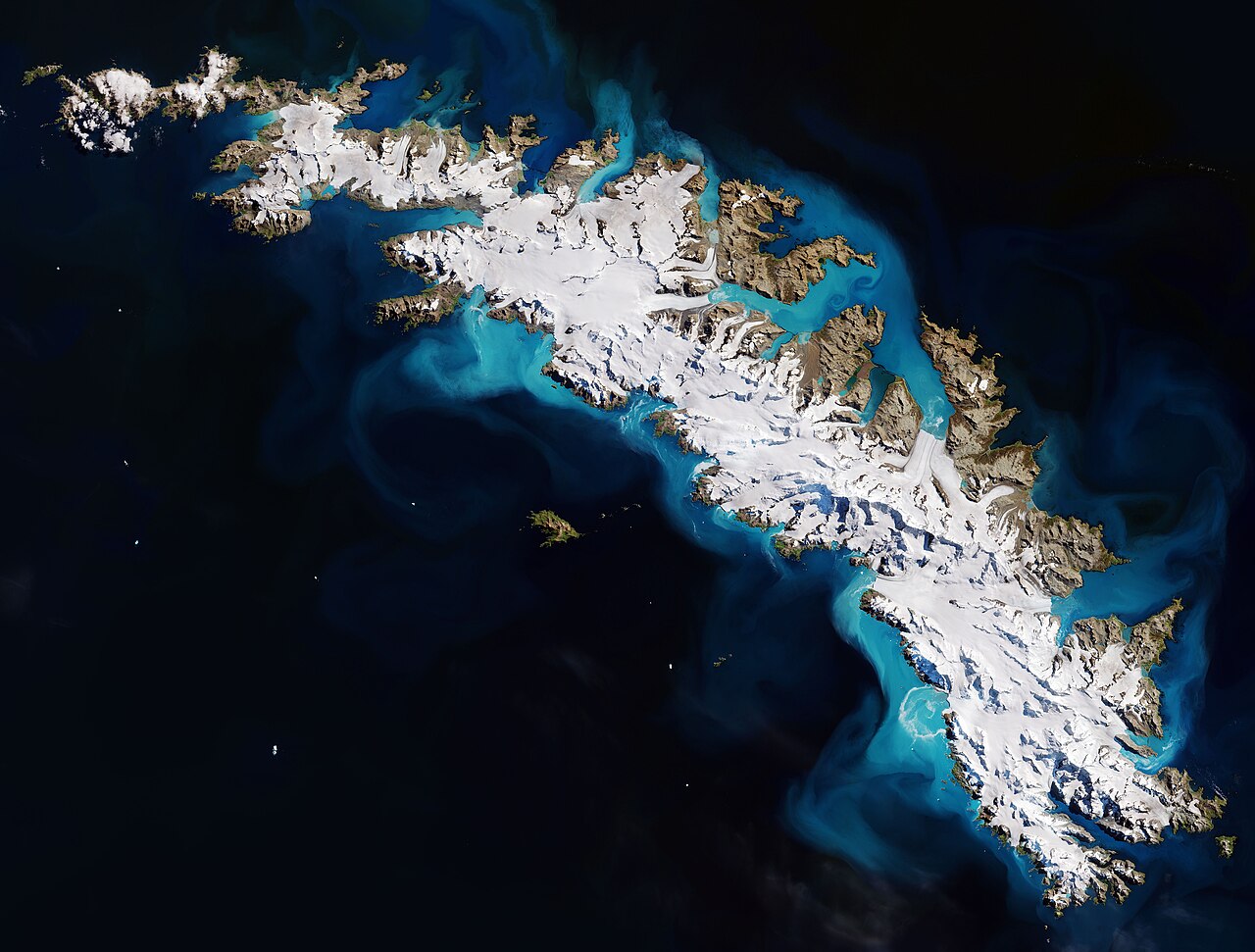
Europe's New Sentinel-3C Satellite Sends Back Its First Images of Earth
Two weeks after launch, the satellite showed the snowy Alps, frozen Arctic islands and turquoise Caribbean waters.