
The Real Doctor Who Inspired Sherlock Holmes
A new book tells the story of Joseph Bell, an Edinburgh surgeon who taught his students to notice small clues.
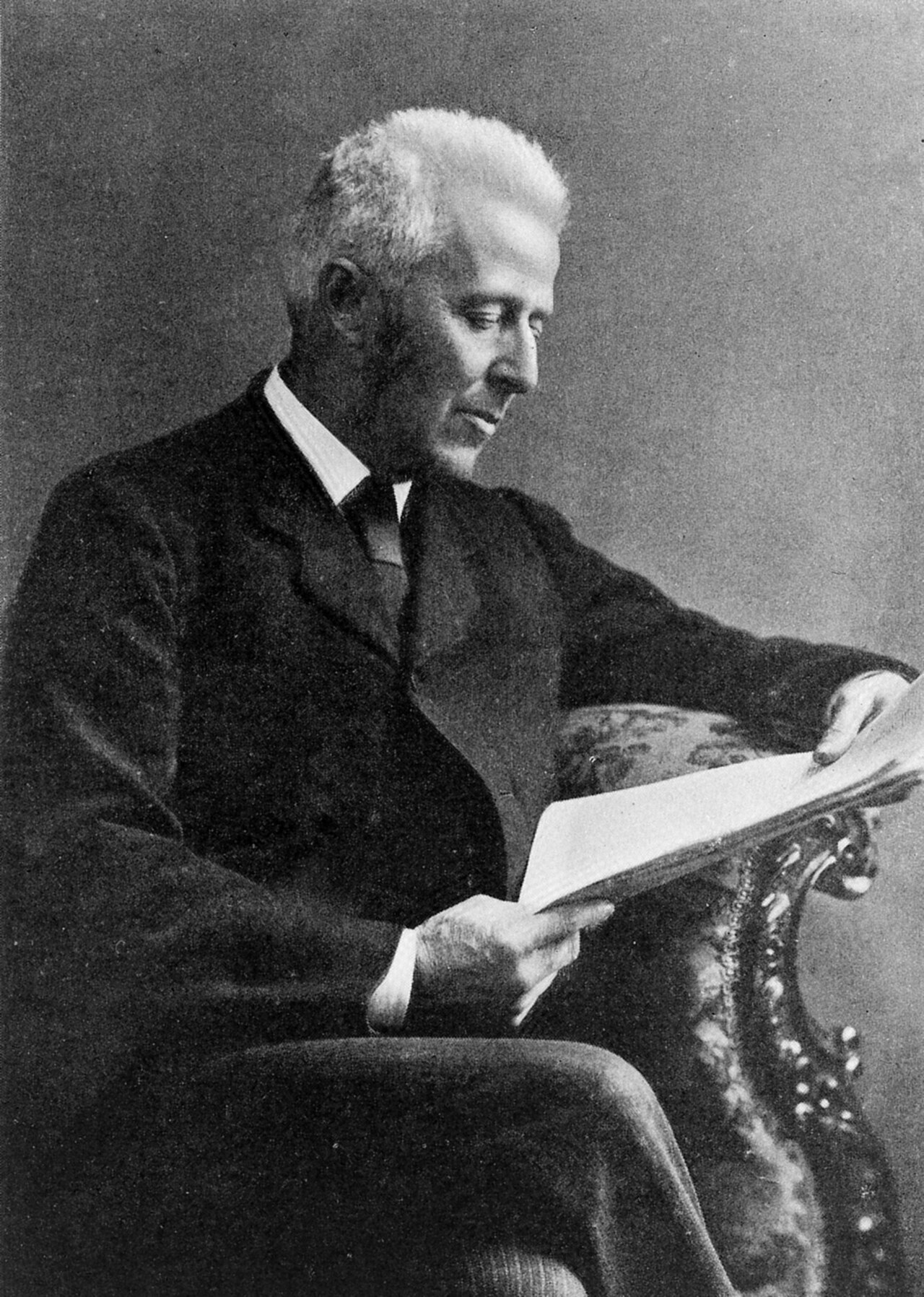
Sherlock Holmes is the most famous detective in the world, and his creator, Arthur Conan Doyle, based him on a real person. A new book tells the story of that person, a Scottish surgeon named Joseph Bell, according to Smithsonian magazine.
Bell was a senior surgeon at the Royal Infirmary of Edinburgh and a lecturer there. The magazine describes him in the winter of 1878 riding to the hospital in a carriage pulled by two horses named Major and Minor, looking carefully at everything around him for anything unusual.
At the hospital, medical students packed the wooden stands of a lecture hall to watch him teach. His lessons were famous. A patient would be brought in, and Bell would study the person's clothes, the way he moved, his face and his expression. Then he would explain what he could tell about the man, and where he came from, just by looking.
One day Bell announced that a man brought in had been a soldier in a Highland regiment. He went on to say that the man was short, which pointed to a band musician, and that his swagger hinted at the bagpipes. The man shook his head. He had never been in the army. He was a shoemaker. Bell later said that this was "rather a floorer," meaning it was a big surprise, but he was sure he was right and saw that something was going on.
Bell's method was to notice small details and use them to work out facts step by step. This is called deduction. It was these lessons that sparked the idea for the world's most famous detective. According to the magazine, Bell also used deduction to diagnose patients and to help investigate crimes.
About this story
Source: Smithsonian. Spotted a mistake? Tell us.
More in Education
Ulster University Drops Plans for Londonderry Sports Dome
The university has scrapped a planned indoor sports dome after spending £800,000 on the project, according to BBC News.

A Potty Training Plan in York Is Spreading to 20 More Areas of England
After parents received guides with school offers, fewer children started reception not toilet-trained.

Stimulating a Nerve After Practice Helped Mice Learn a Skill More Strongly
Tohoku University researchers say the vagus nerve may open a "hidden window" for learning to stick.